Minnesota Homes Today Local & National News

  • Home
  • About Us
  • Blog
  • Resources
    • Buyers Guide
    • Sellers Guide
    • Buyer Info
    • Seller Info
    • Closing Costs
    • Home Appraisal
    • Home Inspection
    • Loan Checklist
    • Loan Process
    • Loan Programs
  • Contact

What To Know About a 40-Year Mortgage

August 16, 2022 by Bob Elliot

What To Know About a 40-Year MortgageIf you take a look at your mortgage options, you might find an option for a 40-year mortgage. Now, most lenders do not offer this as an option, but if you find yourself struggling to keep up with your mortgage payments, the lender may offer to restructure your loan into a 40-year term. Is this a smart move, and what do you need to know about this choice?

Your Monthly Payments Get Smaller

One of the top benefits of restructuring your loan to a 40-year term is that you shrink your monthly payments. By spreading out the loan over 40 years instead of 30 or 15, you don’t need to pay as much money every month. If you are struggling to keep up with your payments, you can make them smaller without falling behind by going with a 40-year mortgage.

You Free Up Cash

Another benefit of a 40-year mortgage is that you can free up some cash. This is cash that you can use to pay off other debts, save for retirement, or invest in other areas. Because you won’t owe as much money every month, you will have more money to play with, which can ease your financial burdens.

You Pay More Interest And Slow Your Equity Buildup

On the other hand, you need to think about the downsides of a 40-year mortgage as well. If you increase your payments to 40 years, you will pay more money in interest overall. In addition, you will slow the rate at which you build equity, which means that you might not walk away with as much cash when you sell the house. You need to balance these risks with the benefits of a 40-year loan.

Think Carefully About Your Loan Options

In the end, a 40-year mortgage is not always a smart move, but if the alternative is foreclosure, it is something to consider. While this type of mortgage can help you reduce your monthly payments, it could also increase the total interest you pay while slowing the rate at which you build equity. You should talk to a professional to ensure you consider all of your options before you decide if this is the right move for you.

Filed Under: Mortgage Tagged With: 40 Year Loan, Loan Options, mortgage

The U.S. Homeownership Rate Is Growing

August 15, 2022 by Bob Elliot Leave a Comment

The U.S. Homeownership Rate Is Growing | MyKCM

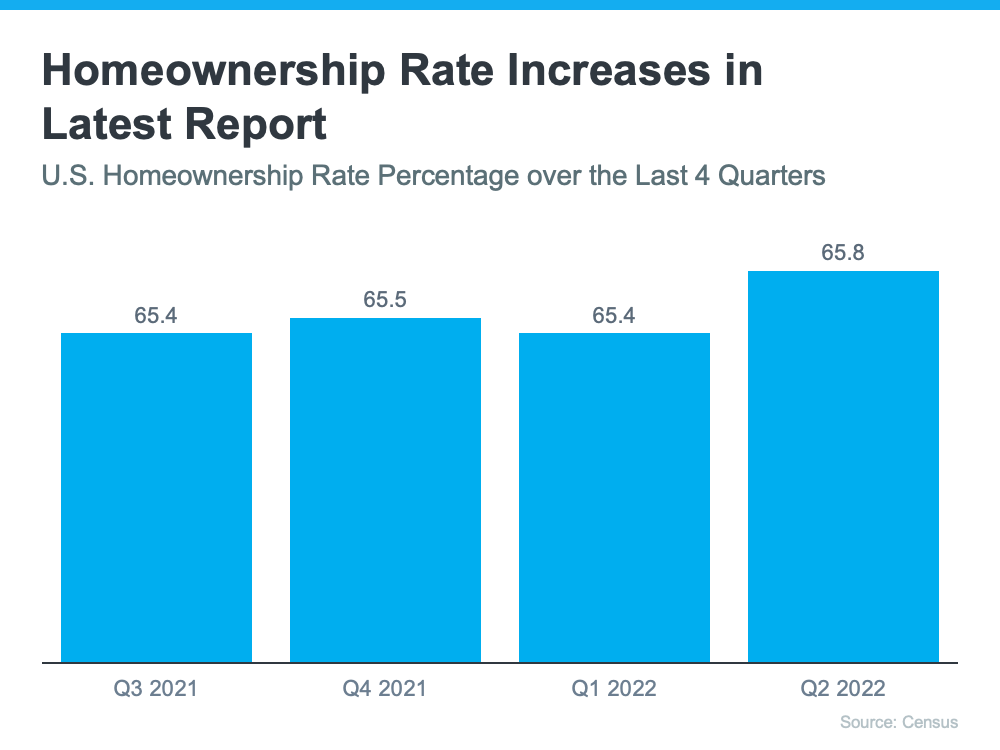
The desire to own a home is still strong today. In fact, according to the Census, the U.S. homeownership rate is on the rise. To illustrate the increase, the graph below shows the homeownership rate over the last year:

The U.S. Homeownership Rate Is Growing | MyKCM

That data shows more than half of the U.S. population live in a home they own, and the percentage is growing with time.

If you’re thinking about buying a home this year, here are just a few reasons why so many people see the value of homeownership.

Why Are More People Becoming Homeowners?

There are several benefits to owning your home. A significant one, especially when inflation is high like it is today, is that homeownership can help protect you from rising costs. Lawrence Yun, Chief Economist at the National Association of Realtors (NAR), explains:

“In the 1970s, when inflation was running around 10%, home prices were rising at approximately the same rate. Renters actually have a harder time in inflationary periods, because rents tend to rise along with inflation, whereas mortgage payments stay the same for homeowners with fixed-rate mortgages.”

When you buy a home with a fixed-rate mortgage, you can lock in what’s likely your biggest monthly expense – your housing payment – for the duration of that loan, often 15-30 years.

That gives you a predictable monthly housing expense that can benefit you in the short term, but you’ll also gain equity over time as your home appreciates in value and you make your monthly mortgage payment.

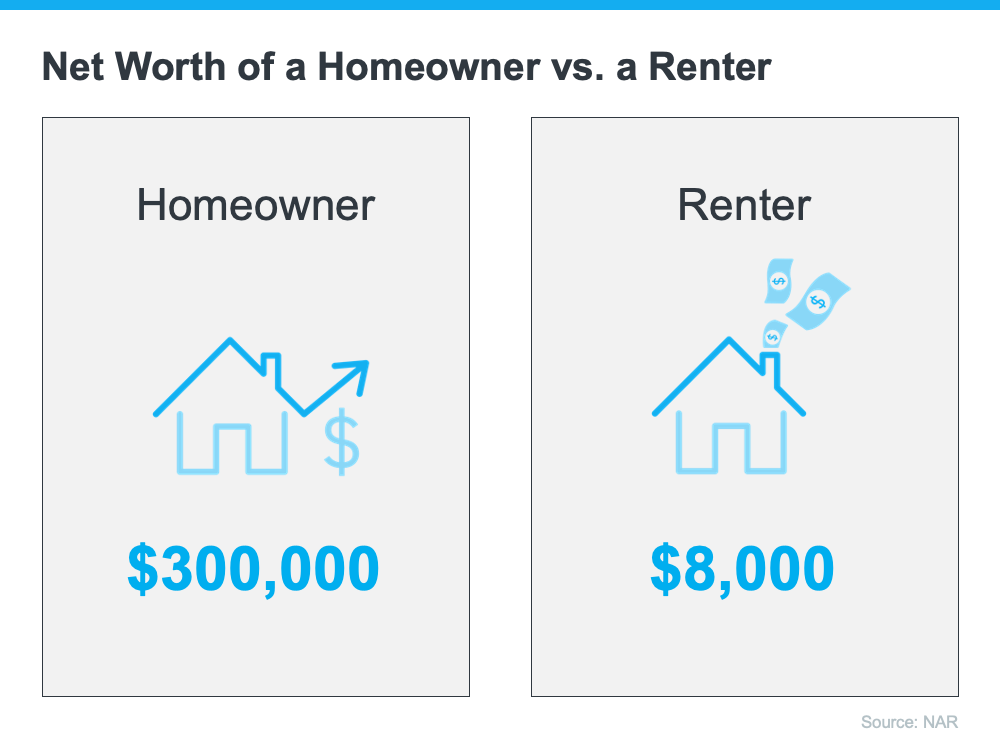
And with that growing equity, your net worth will increase as well. In fact, the latest data from NAR shows the median household net worth of a homeowner is roughly $300,000, while the median net worth of renters is only about $8,000. That means a homeowner’s net worth is nearly 40 times that of a renter.

The U.S. Homeownership Rate Is Growing | MyKCM

Bottom Line

The U.S. homeownership rate is growing. If you’re ready to purchase the home of your dreams, let’s connect so you can begin the homebuying process today.

Filed Under: Homebuyer Tips Tagged With: Home Buyers, home sellers, Homeownership, rent vs oqn

What’s Ahead for Mortgage Rates This Week – August 15, 2022

August 15, 2022 by Bob Elliot

What's Ahead For Mortgage Rates This Week - August 15, 2022Last week’s economic reporting included readings on inflation and consumer sentiment along with weekly readings on mortgage rates and jobless claims.

Inflation Rate Unchanged in July

According to the government’s Consumer Price Index, month-to-month inflation did not rise in July as compared to June’s reading of 1.30 percent growth. Analysts expected a reading of 0.20 percent inflationary growth. Inflation rose by 8.50 percent year-over-year against expectations of 8.70 percent year-over-year growth and June’s year-over-year inflationary growth of 9.10 percent. Core inflation, which excludes volatile food and fuel sectors, rose by 0.30 percent month-to-month in July. Analysts expected a core inflation rate of  0.50 percent month-to-month in July based on June’s reading of 0.70 percent growth.

Core inflation rose by 5.90 percent year-over-year in July; analysts expected a reading of 6.10 percent based on June’s year-over-year reading of 5.90 percent.

Lower gas prices contributed to slower inflation, but analysts said there were no guarantees of ongoing reductions in fuel prices.

Mortgage Rates, Jobless Claims Rise

Freddie Mac reported higher average mortgage rates last week as the rate for 30-year fixed-rate mortgages rose by 23 basis points to 5.22 percent. The average rate for 15-year fixed-rate mortgages rose by 33 basis points to 4.59 percent and the average rate for 5/1 adjustable-rate mortgages rose by 18 basis points to 4.43 percent. Discount points averaged 0.70 percent for fixed-rate mortgages and 0.00 percent for 5/1 adjustable-rate mortgages.

Initial jobless claims rose to 262,000 new claims filed as compared to the expected reading of 264,000 first-time jobless claims filed. and the previous week’s reading of 248,000 initial claims filed. Continuing jobless claims also rose with 1.43 million ongoing jobless claims filed as compared to 1.42 million continuing jobless claims filed in the previous week.

The University of Michigan published its preliminary consumer sentiment index for August. Consumer sentiment rose to an index reading of 55.10 as compared to the expected reading of 52.50 and July’s index reading of 51.5. Index readings above 50 indicate that a majority of consumers surveyed had a positive view of current economic conditions.

What’s Ahead

This week’s scheduled economic releases include readings on home prices, sales of previously-owned homes, along with reports on building permits issued, housing starts, and data on retail sales. Weekly readings on mortgage rates and jobless claims will also be published.

Filed Under: Financial Reports Tagged With: Financial Report, Jobless Claims, mortgage rates

  • « Previous Page
  • 1
  • …
  • 137
  • 138
  • 139
  • 140
  • 141
  • …
  • 1133
  • Next Page »

Connect with Me!

Let’s Keep In Touch!

  • This field is for validation purposes and should be left unchanged.

Quick Links

  • About Me
  • Accessibility Statement
  • Blog
  • Contact

Looking For Something?

Categories

Copyright © 2025 · Powered by MySMARTblog

Copyright © 2025 · Genesis Sample Theme on Genesis Framework · WordPress · Log in