
Minnesota Homes Today Local & National News

  • Home
  • About Us
  • Blog
  • Resources
    • Buyers Guide
    • Sellers Guide
    • Buyer Info
    • Seller Info
    • Closing Costs
    • Home Appraisal
    • Home Inspection
    • Loan Checklist
    • Loan Process
    • Loan Programs
  • Contact

Do You Need Mortgage Insurance Even If It’s Not Required By Your Lender? Let’s Take A Look

December 29, 2021 by Bob Elliot

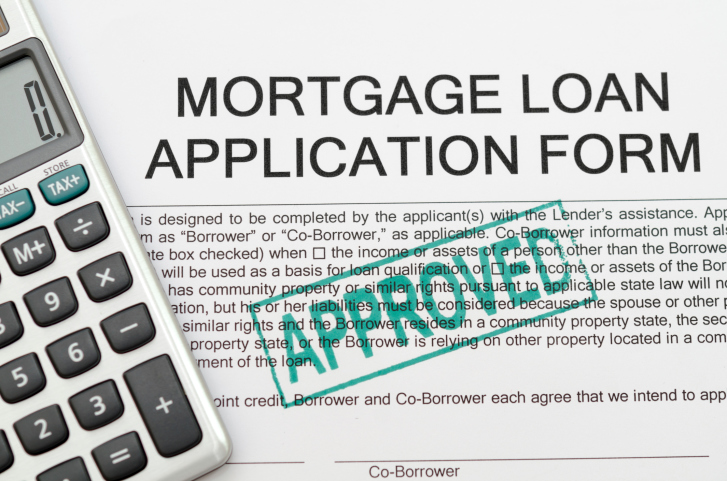
Do You Need Mortgage Insurance Even if It's Not Required by Your Lender? Let's Take a LookFinding a proper mortgage loan and understanding the processing procedures behind the loan is the basis of good research. The down payment on a mortgage loan is typically significant when dealing with mortgage insurance.

Most loan applications with less than 20% down payment are required to include mortgage insurance with the loan. However, mortgage insurance may still be required even if it’s not typically required by your lender.

Underwriting Requirements

Most home mortgage applications undergo a strict set of standards for approval. These standards are known as underwriting and make up the bulk of time spent on a mortgage application. Unique situations in employment or credit history may require an additional down payment percentage to avoid PMI or private mortgage insurance.

Most underwriting requirements require adequate information on the borrower’s credit and employment history for complete application. Self-employed individuals or those with alternative forms of credit may need a few additional hoops to jump through when dealing with mortgage insurance requirements.

Lender-paid Mortgage Insurance

Lender-paid mortgage insurance is a popular option with potential homeowners that seek to avoid the cost of a PMI or FHA-backed insurance on a home loan. Most lenders incorporate payment of private mortgage insurance in exchange for a slightly higher interest rate.

This is one example of the points system on a mortgage application that eliminates the cost of PMI. The increase in interest rate may or may not warrant the need for a lender-paid mortgage insurance arrangement.

What’s Involved With Risk Assessment?

Strict lending requirements and banking policy now limit the number of mortgages with zero down payment options. Conventional mortgages and FHA both require private mortgage insurance if it is less than 20% down payment. However, FHA loans can be more flexible with the initial down payment requirements with adequate credit. FHA mortgage costs are now for the life of the loan. Lenders will look at mortgage insurance as risk protection.

The risk protection process may or may not require mortgage insurance in your home loan. For example, VA and USDA loans do not usually require mortgage insurance if the borrower’s credit and employment history are adequate.

Conventional loans have a reduction in risk once there is at least 20% equity in the home compared to the principal of the mortgage. Don’t hesitate to contact your trusted mortgage professional about potentially dropping mortgage insurance in the future to reduce overall loan costs.
Filed Under: Home Buyer Tips Tagged With: mortgage, Mortgage Insurance, Mortgage Loans

Major Mistakes Which Can to Increase Your Closing Costs

December 28, 2021 by Bob Elliot

Three Major Mortgage Mistakes Which Are Sure to Increase Your Closing Costs When shopping for a mortgage, it is important to take closing costs into account. While some closing costs are the same for all lenders, different programs may add or reduce some of the burden borrowers face when closing on a home loan.

Let’s take a look at some major mistakes that could result in borrowers paying more than they need to in closing costs.

1) Failing to Take Property Taxes Into Account

Property taxes are generally put into an escrow account that is established prior to closing on the home loan. In most cases, a homeowner will have to pay 12 to 14 months’ worth of property taxes prior to close.

This can represent several thousands of dollars or more depending on the property taxes associated with a property. While everyone has to pay property taxes, finding a home in a low tax area can significantly reduce the cost of closing on a loan.

2) Failing to Ask Lenders for Credits Toward Closing Costs

A lender may have a program in place that enables them to give a borrower a credit toward applicable closing costs. While this generally may not count toward the down payment, it can still be a significant help for first-time buyers or anyone else who may not have thousands in a bank account ready to pay for lawyers or titling fees.

Depending on where the property is purchased, there may be programs available that provide funding for those who promise to stay in the property for a certain amount of time.

3) Failing to Ask the Seller for Concessions

The seller of a property may offer up to 6 percent of any closing costs associated with the sale of the property. While a seller does not have to offer any concessions, they could potentially provide hundreds or thousands of dollars that may not need to be repaid.

In addition to closing cost support, a seller could also provide appliances or other items that can further save a buyer money during and after the purchase is finalized.

A home buyer can save a lot of money by taking simple and common sense actions. By doing research into cost saving programs and credits toward closing costs, those who may have felt that home ownership was beyond their reach may be able to achieve their dream. To learn more about closing costs, you may wish to talk to a mortgage professional in your area.

Filed Under: Home Mortgage Tips Tagged With: Closing Costs, Home Mortgage Tips, Mortgages

To Avoid After Applying for a Mortgage

December 27, 2021 by Bob Elliot Leave a Comment

Key Things To Avoid After Applying for a Mortgage | MyKCM

Once you’ve found your dream home and applied for a mortgage, there are some key things to keep in mind before you close. It’s exciting to start thinking about moving in and decorating your new place, but before you make any large purchases, move your money around, or make any major life changes, be sure to consult your lender – someone who’s qualified to explain how your financial decisions may impact your home loan.

Here’s a list of things you shouldn’t do after applying for a mortgage. They’re all important to know – or simply just good reminders – for the process.

1. Don’t Deposit Cash into Your Bank Accounts Before Speaking with Your Bank or Lender.

Lenders need to source your money, and cash isn’t easily traceable. Before you deposit any amount of cash into your accounts, discuss the proper way to document your transactions with your loan officer.

2. Don’t Make Any Large Purchases Like a New Car or Furniture for Your Home.

New debt comes with new monthly obligations. New obligations create new qualifications. People with new debt have higher debt-to-income ratios. Since higher ratios make for riskier loans, qualified borrowers may end up no longer qualifying for their mortgage.

3. Don’t Co-Sign Other Loans for Anyone.

When you co-sign, you’re obligated. With that obligation comes higher debt-to-income ratios as well. Even if you promise you won’t be the one making the payments, your lender will have to count the payments against you.

4. Don’t Change Bank Accounts.

Remember, lenders need to source and track your assets. That task is much easier when there’s consistency among your accounts. Before you transfer any money, speak with your loan officer.

5. Don’t Apply for New Credit.

It doesn’t matter whether it’s a new credit card or a new car. When you have your credit report run by organizations in multiple financial channels (mortgage, credit card, auto, etc.), your FICO® score will be impacted. Lower credit scores can determine your interest rate and possibly even your eligibility for approval.

6. Don’t Close Any Credit Accounts.

Many buyers believe having less available credit makes them less risky and more likely to be approved. This isn’t true. A major component of your score is your length and depth of credit history (as opposed to just your payment history) and your total usage of credit as a percentage of available credit. Closing accounts has a negative impact on both of those determinants of your score.

Bottom Line

Any blip in income, assets, or credit should be reviewed and executed in a way that ensures your home loan can still be approved. If your job or employment status has changed recently, share that with your lender as well. The best plan is to fully disclose and discuss your intentions with your loan officer before you do anything financial in nature.

Filed Under: Mortgages Tagged With: bank account, Credit, homebuyer, mortgage

  • « Previous Page
  • 1
  • …
  • 211
  • 212
  • 213
  • 214
  • 215
  • …
  • 1133
  • Next Page »

Connect with Me!

Let’s Keep In Touch!

  • This field is for validation purposes and should be left unchanged.

Quick Links

  • About Me
  • Accessibility Statement
  • Blog
  • Contact

Looking For Something?

Categories

Copyright © 2026 · Powered by MySMARTblog

Copyright © 2026 · Genesis Sample Theme on Genesis Framework · WordPress · Log in