
Minnesota Homes Today Local & National News

  • Home
  • About Us
  • Blog
  • Resources
    • Buyers Guide
    • Sellers Guide
    • Buyer Info
    • Seller Info
    • Closing Costs
    • Home Appraisal
    • Home Inspection
    • Loan Checklist
    • Loan Process
    • Loan Programs
  • Contact

What’s Ahead For Mortgage Rates This Week – December 27, 2021

December 27, 2021 by Bob Elliot

What's Ahead For Mortgage Rates This Week - December 27, 2021Last week’s scheduled economic reporting included readings on sales of new and previously-owned homes along with weekly data on mortgage rates and jobless claims.

Home Sales Increase in November

Sales of new and previously-owned homes rose in November. The Commerce Department reported sales of new homes rose to 744,000 sales on a seasonally-adjusted annual basis. October sales of new homes were revised to a year-over-year reading of 662,000 new homes sold, which was the lowest reading since the worst stage of the pandemic in April 2020.  Analysts expected a year-over-year reading of 766,000 new homes sold for November. The median price of new homes sold in October reached a record high of $416,900.The number of homes for sale fell by 8.50 percent between October and November and represented a 6.50 month supply of new homes for sale.

Sales of previously-owned homes also rose in November with 6.46 million sales on a seasonally-adjusted annual basis. November’s reading fell short of the expected reading of 6.50 million sales of previously-owned homes but surpassed October’s reading of 6.34 million sales.

Rising numbers of mortgage applications indicated that demand for homes remains high, but mortgage rates are expected to rise in 2022. Given rising home prices, the additional challenge of higher mortgage rates will negatively impact affordability for some prospective home buyers.

Mortgage Rates Fall, Jobless Claims Data Mixed

Freddie Mac reported lower mortgage rates last week as the average rate for 30-year fixed-rate mortgages fell by seven basis points to 3.05 percent. Rates for 15-year fixed-rate mortgages averaged 2.30 percent and were four basis points lower than for the previous week. Rates for 5/1 adjustable rate mortgages averaged 2.37 percent and eight basis points lower. Discount points averaged 0.70 percent for fixed-rate mortgages and 0.40 percent for 5/1 adjustable rate mortgages.

Initial jobless claims held steady at 205,000 new claims filed last week. Analysts expected a reading of 206,000 first-time claims filed. Continuing jobless claims fell to 1.86 million ongoing claims from the previous week’s reading of 1.87 million continuing jobless claims filed.

The University of Michigan’s Consumer Sentiment Index rose to an index reading of 70.6 and exceeded the expected reading of 70.4, which matched November’s reading.

What’s Ahead

This week’s scheduled economic reporting includes S&P Case-Shiller Home Price Indices and data on pending home sales. Weekly readings on mortgage rates and jobless claims will also be released.

Filed Under: Financial Reports Tagged With: Financial Report, Jobless Claims, mortgage rates

The Perks of Putting 20% Down on a Home

December 23, 2021 by Bob Elliot Leave a Comment

The Perks of Putting 20% Down on a Home | MyKCM

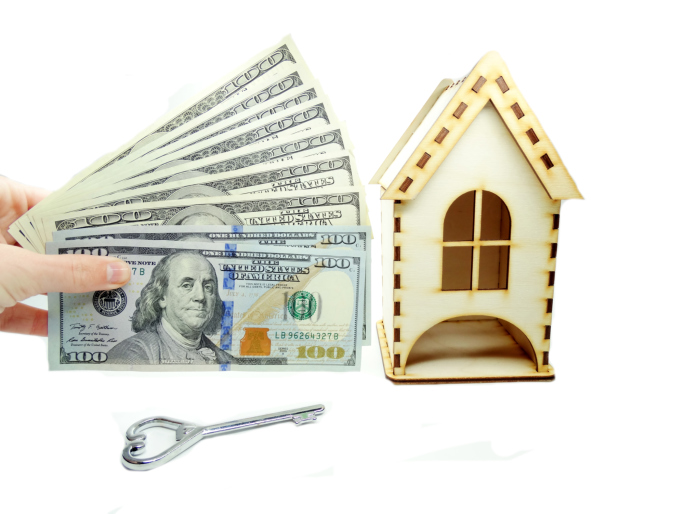
If you’re thinking of buying a home, you’re probably wondering what you need to save for your down payment. Is it 20% of the purchase price, or could you put down less? While there are lower down payment programs available that allow qualified buyers to put down as little as 3.5%, it’s important to understand the many perks that come with a 20% down payment.

Here are four reasons why putting 20% down may be a great option if it works within your budget.

1. Your Interest Rate May Be Lower

A 20% down payment vs. a 3-5% down payment shows your lender you’re more financially stable and not a large credit risk. The more confident your lender is in your credit score and your ability to pay your loan, the lower the mortgage interest rate they’ll likely be willing to give you.

2. You’ll End Up Paying Less for Your Home

The larger your down payment, the smaller your loan amount will be for your mortgage. If you’re able to pay 20% of the cost of your new home at the start of the transaction, you’ll only pay interest on the remaining 80%. If you put down 5%, the additional 15% will be added to your loan and will accrue interest over time. This will end up costing you more over the lifetime of your home loan.

3. Your Offer Will Stand Out in a Competitive Market

In a market where many buyers are competing for the same home, sellers often like to see offers come in with 20% or larger down payments. The seller gains the same confidence as the lender in this scenario. You are seen as a stronger buyer with financing that’s more likely to be approved. Therefore, the deal will be more likely to go through.

4. You Won’t Have To Pay Private Mortgage Insurance (PMI)

What is PMI? According to Freddie Mac:

“For homeowners who put less than 20% down, Private Mortgage Insurance or PMI is an added insurance policy for homeowners that protects the lender if you are unable to pay your mortgage.

It is not the same thing as homeowner’s insurance. It’s a monthly fee, rolled into your mortgage payment, that’s required if you make a down payment less than 20%. . . . Once you’ve built equity of 20% in your home, you can cancel your PMI and remove that expense from your monthly payment.”

As mentioned earlier, if you put down less than 20% when buying a home, your lender will see your loan as having more risk. PMI helps them recover their investment in you if you’re unable to pay your loan. This insurance isn’t required if you’re able to put down 20% or more.

Many times, home sellers looking to move up to a larger or more expensive home are able to take the equity they earn from the sale of their house to put 20% down on their next home. With the equity homeowners have today, it creates a great opportunity to put those savings toward a larger down payment on a new home.

Bottom Line

If you’re looking to buy a home, consider the benefits of 20% down versus a smaller down payment option. Let’s connect so you have expert advice to help make your homeownership goals a reality.

Filed Under: Down Payment Tagged With: Down Payment, Home Buying, mortgage

The ‘Debt to Income’ Ratio and How It Affects Your Home Purchase

December 22, 2021 by Bob Elliot

Real Estate Terms: The 'Debt to Income' Ratio and How It Affects Your Home PurchaseThe real estate market is rife with terminology that can make a home purchase seem more than a little complicated. If you’re currently looking for a home and are considering your loan options, you may have even heard the term ‘Debt to Income’ ratio. In the interest of simplifying things, here are some insights on what this term means and how it can impact your home investment.

Determining Your ‘Debt to Income’ Ratio

It’s important to consider what exactly your DTI ratio is before your home purchase as this will quickly determine how much home you can actually afford. To calculate this number, take your monthly debt payments – including any credit card, loan and mortgage payments – and divide them by your monthly gross income to get a percentage. In the event that your monthly debt is $700 and you make $2800 in income, your DTI is 25%.

What Your DTI Means To The Bank

The DTI is a very important number when it comes to a home loan because it enables the bank to determine your financial situation. A DTI of 25% leaves some wiggle room, as most banks will allow a DTI percentage that runs between 36-43%. In the case of the above example, this means that the most debt this person could take on per month is about $1200. While banks vary on this percentage, credit history plays an important part in the DTI that will be allowed.

Paying Down Your Debt Or Purchasing A Home

In the event that you have a DTI ratio that exceeds what your bank will allow, you will need to consider your debts before moving on to investing in a home. If you’re planning on purchasing a home in the next year, it’s a good idea to tackle high-interest debt first. However, if you happen to have a chunk of money saved up that you’re planning on putting into a down payment, it’s worth considering that putting more than 20% down may slightly increase the DTI percentage your bank will accept.

There are many fancy terms that go along with the world of real estate, but it’s important to understand what they mean so you can make them work in your favor. If you’re calculating your DTI ratio and are planning a home purchase down the road, you may want to contact your trusted mortgage professionals for more information.

Filed Under: Mortgage Tips Tagged With: Buying A Home, Home Buyer Tips, Real Estate Tips

  • « Previous Page
  • 1
  • …
  • 212
  • 213
  • 214
  • 215
  • 216
  • …
  • 1133
  • Next Page »

Connect with Me!

Let’s Keep In Touch!

  • This field is for validation purposes and should be left unchanged.

Quick Links

  • About Me
  • Accessibility Statement
  • Blog
  • Contact

Looking For Something?

Categories

Copyright © 2025 · Powered by MySMARTblog

Copyright © 2025 · Genesis Sample Theme on Genesis Framework · WordPress · Log in