
Minnesota Homes Today Local & National News

  • Home
  • About Us
  • Blog
  • Resources
    • Buyers Guide
    • Sellers Guide
    • Buyer Info
    • Seller Info
    • Closing Costs
    • Home Appraisal
    • Home Inspection
    • Loan Checklist
    • Loan Process
    • Loan Programs
  • Contact

The Three Factors Affecting Home Affordability Today

April 27, 2023 by Bob Elliot Leave a Comment

There’s been a lot of focus on higher mortgage rates and how they’re creating affordability challenges for today’s homebuyers. It’s true that rates climbed dramatically since the record-low we saw during the pandemic. But home affordability is based on more than just mortgage rates – it’s determined by a combination of mortgage rates, home prices, and wages.

Considering how each one of these factors is changing gives you the full picture of home affordability today. Here’s the latest.

1. Mortgage Rates

While mortgage rates are higher than they were a year ago, they’ve hovered primarily between 6% and 7% for nearly eight months now (see graph below):
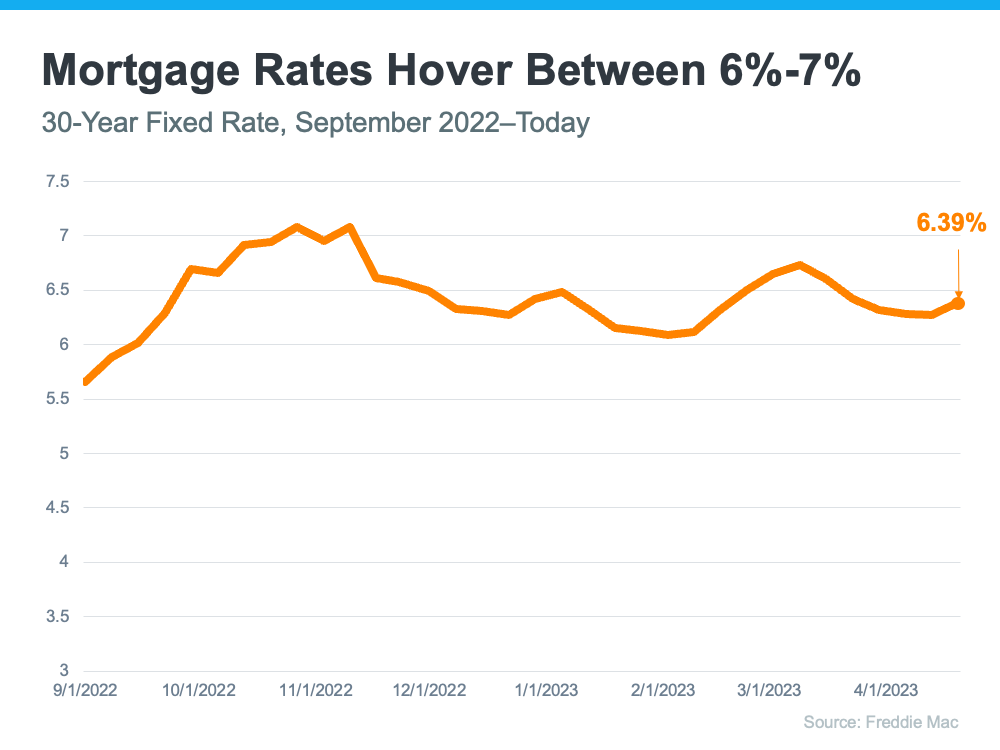
As the graph shows, mortgage rates have experienced some volatility during that time. And even a small change in mortgage rates impacts your purchasing power. That’s why it’s so important to lean on your team of real estate professionals for expert advice to stay up to date on what’s happening in the market. While it’s hard to project where mortgage rates will go from here, many experts agree they’ll likely continue to remain around 6%-7% in the immediate future.

2. Home Prices

Over the past few years, home prices appreciated rapidly as the record-low mortgage rates we saw during the pandemic led to a surge in buyer demand. The heightened buyer demand happened while the supply of homes for sale was at record lows, and that imbalance put upward pressure on home prices. However, today’s higher mortgage rates have slowed down price appreciation.

And, the truth is, home price appreciation varies by market. Some areas are seeing slight declines while others have prices that are climbing. As Selma Hepp, Chief Economist at CoreLogic, explains:

“The divergence in home price changes across the U.S. reflects a tale of two housing markets. Declines in the West are due to the tech industry slowdown and a severe lack of affordability after decades of undersupply. The consistent gains in the Southeast and South reflect strong job markets, in-migration patterns and relative affordability due to new home construction.”

To find out what’s happening with prices in your local market, reach out to a trusted real estate agent.

3. Wages

The most positive factor in affordability right now is rising income. The graph below uses data from the Bureau of Labor Statistics (BLS) to show how wages have grown over time:
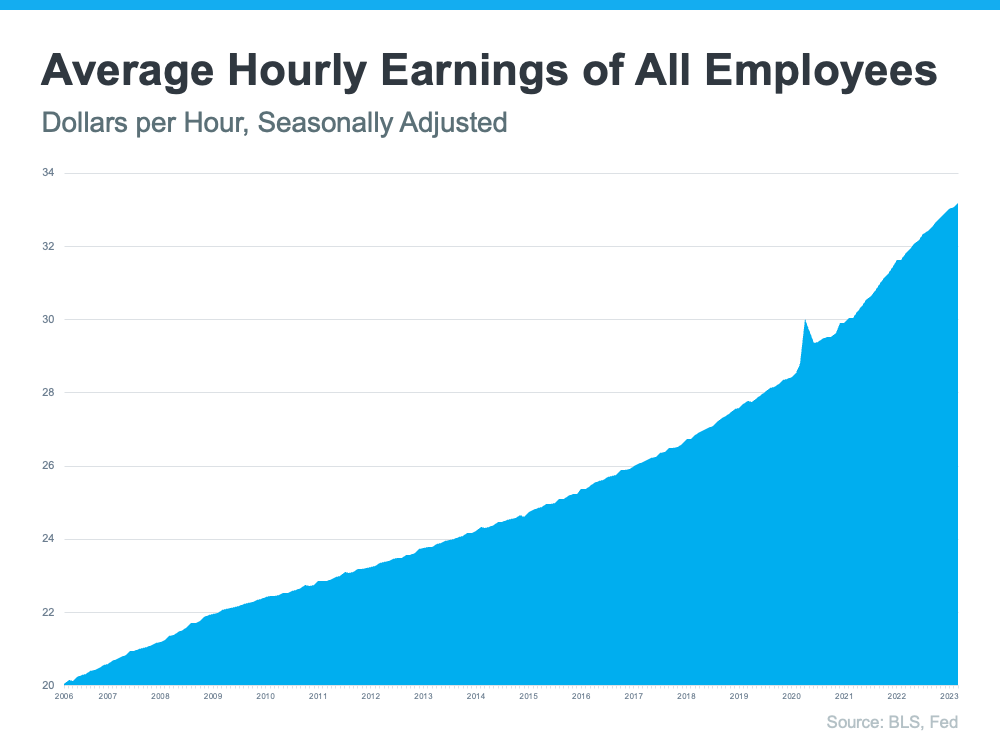
Higher wages improve affordability because they reduce the percentage of your income it takes to pay your mortgage since you don’t have to put as much of your paycheck toward your monthly housing cost.

Home affordability comes down to a combination of rates, prices, and wages. If you have questions or want to learn more, reach out to a real estate professional who can explain what’s happening locally and how these factors work together.

Bottom Line

If you’re planning to buy a home, knowing the key factors that impact affordability is important so you can make an informed decision. To stay up to date on the latest on each, let’s connect today: Bob 612 868 5500 or Bob@mnresteam.com
Filed Under: Affordability Tagged With: Affordability, Home Prices, hourly earnings, mortgage rates

Understand Your Options When You Refinance A Home Loan

April 26, 2023 by Bob Elliot

Understand Your Options When You Refinance A Home LoanAre you interested in refinancing your mortgage? There are a variety of reasons why you might want to refinance your home loan. For example, you might want to secure a lower interest rate, or you may want to reduce your monthly payment. You might even want to tap into the equity you have in your home for some quick cash. There are different loan options available, so you need to think carefully about which one is best for your needs.

The Conventional Mortgage Refinance

One of the first options you will consider is a conventional mortgage refinance. This could be the best option for you because it provides you with the greatest degree of flexibility. For example, you can shorten the term of your mortgage, pull cash out of your home’s equity value, and even reduce your monthly payment. Typically, your credit requirements will be a bit higher than the other options, so you should work with an expert if you are considering this option.

FHA Streamline

Another option you might want to consider is the FHA streamline. Many people like this program because it is a shorter, less expensive program. The credit requirements are also a bit lower, and you might not need to get your house appraised. On the other hand, you cannot choose this option if you want to pull cash out of your home’s equity value.

Jumbo Loan Refinance

If you have a loan that is greater than the conventional loan limits, then you may be required to perform a jumbo loan refinance. Because the loan is so large, the lender takes on a significant amount of added risk, and that is why the credit requirements are typically higher as well. You may also need to verify not only your income but also your cash reserves.

Find the Best Refinance Program To Meet Your Needs

These are just a few of the many options available if you are interested in refinancing your home loan. The right option for one person is not necessarily going to be the right option for someone else, so make sure you reach out to an expert who can help you find the right loan refinancing option to meet your needs.


Filed Under: Mortgage Tagged With: Convetional Loan Options, mortgage, mortgage rates

How Do I Get Rid of PMI?

April 25, 2023 by Bob Elliot

How to Get Rid of PMIHow to Get Rid of PMI?

PMI (Private Mortgage Insurance) is a type of insurance that lenders may require borrowers to pay if they have a down payment of less than 20% of the home’s purchase price. The purpose of PMI is to protect the lender in case the borrower defaults on the loan. However, once you have paid off enough of your mortgage or your home has appreciated in value, you may be able to get rid of PMI. Here are some ways to do so:

Pay down your mortgage: If you make extra payments on your mortgage or pay more than the required monthly payment, you can build equity in your home faster and reduce the amount of PMI you have to pay. Once you reach 20% equity in your home, you can request your lender to remove the PMI.

Refinance your mortgage: If you can’t afford to make extra payments, you may consider refinancing your mortgage to a lower interest rate. This could lower your monthly mortgage payment and help you build equity in your home faster. Once you have enough equity in your home, you can request your lender to remove the PMI.

Get your home appraised: If your home has appreciated in value since you bought it, you may be able to get rid of PMI by getting your home appraised. If the appraisal shows that you have 20% or more equity in your home, you can request your lender to remove the PMI.

Wait for automatic termination: If you have a conventional mortgage, your lender is required to automatically terminate your PMI when you reach 22% equity in your home, provided you are current on your mortgage payments.

Why Do Lenders Require PMI?

Lenders require PMI (Private Mortgage Insurance) when a borrower has a down payment of less than 20% of the home’s purchase price. The purpose of PMI is to protect the lender in case the borrower defaults on the loan. If the borrower defaults, the PMI will cover the lender’s losses up to a certain percentage of the loan amount, typically 20% to 30%.

Lenders require PMI because borrowers with less than 20% down payment are considered to be at a higher risk of defaulting on their mortgage. This is because they have less equity in the property, which means they have less of their own money invested in the home. If the borrower defaults, the lender may not be able to recover the full amount of the loan by selling the property.

PMI allows lenders to offer mortgages to borrowers with less than 20% down payment while still protecting themselves against the risk of default. Without PMI, lenders would likely require larger down payments, which would make it more difficult for many borrowers to qualify for a mortgage.

It is important to note that PMI is not the same as homeowner’s insurance, which covers damage to the property. PMI is solely for the benefit of the lender and does not provide any protection for the borrower. The specific requirements and procedures for removing PMI may vary depending on your lender and the type of mortgage you have. It is important to check with your lender to determine what steps you need to take to remove PMI.

Filed Under: Mortgage Tagged With: Fees, mortgage, PMI

  • « Previous Page
  • 1
  • …
  • 49
  • 50
  • 51
  • 52
  • 53
  • …
  • 1133
  • Next Page »

Connect with Me!

Let’s Keep In Touch!

  • This field is for validation purposes and should be left unchanged.

Quick Links

  • About Me
  • Accessibility Statement
  • Blog
  • Contact

Looking For Something?

Categories

Copyright © 2025 · Powered by MySMARTblog

Copyright © 2025 · Genesis Sample Theme on Genesis Framework · WordPress · Log in