Minnesota Homes Today Local & National News

  • Home
  • About Us
  • Blog
  • Resources
    • Buyers Guide
    • Sellers Guide
    • Buyer Info
    • Seller Info
    • Closing Costs
    • Home Appraisal
    • Home Inspection
    • Loan Checklist
    • Loan Process
    • Loan Programs
  • Contact

Should You Buy an Existing Home or New Construction?

August 26, 2020 by Bob Elliot Leave a Comment

Should You Buy an Existing Home or New Construction? | MyKCM

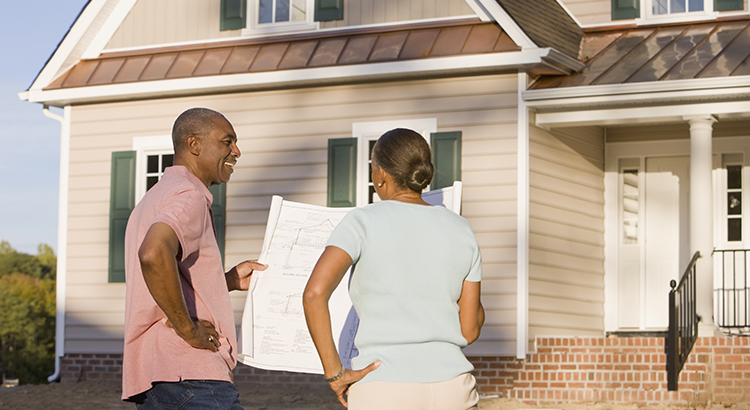
Finding the right home to purchase today is one of the biggest challenges for potential buyers. With so few homes for sale and construction of newly built homes ramping up, you may be wondering if you should consider new construction in your search process. It’s a great question to ask, and one to look at from the pros and cons of what it means to buy a new home versus an existing one. Here are a few things to consider when making the best decision for your family.

New Construction  

When buying a new home, you can often choose more energy-efficient options. New appliances, new windows, a new roof, etc. These can all help lower your energy costs, which can add up to significant savings over time. With programs like ENERGY STAR, your home also helps protect the environment and reduces your carbon footprint.

Lower maintenance that comes with a newer home is another great benefit. When you have a new home, you likely won’t have as many little repairs to tackle, like leaky faucets, shutters to paint, and other odd jobs around the house. With new construction, you’ll also have warranty options that may cover portions of your investment for the first few years.

Another solid benefit to new construction is customization. Do you want a mudroom, stainless steel appliances, granite countertops, hardwood floors, an office, or a multipurpose room to homeschool your children? These items can be customized to your specific needs during the design phase. With an existing home, you’re buying something that’s already completed, so if you want to make changes, you may need to hire a contractor to help get your home ready for your family.

Existing Home

When buying an existing home, you can negotiate with the current homeowner on price, which is something you generally don’t get to do with a builder. Builders know their material and construction costs, and they have a price set for the model you’re buying. So, if you want to negotiate, then maybe an existing home will be best.

For many families, having an established neighborhood is also important. Some buyers like to know the neighbors, if it’s family-friendly, and traffic patterns before making a commitment. When you buy new construction, you won’t have a full view of some of those details until the lots around you are sold.

Finally, timing comes into play. With an existing home, you can move in based on the timeline you agree to with the sellers. With new construction, you need to wait for the house to be built. Depending on the time of the year you’re buying and the region you’re in, the weather can also be a factor in the timeframe. This is something really important to keep in mind, especially if you need to move sooner rather than later. Over the past few months with COVID-19 and social distancing regulations, some areas for new construction have been delayed.

Bottom Line

Whether you want to buy a newly built home or one that’s already established, both are great options. They each have their pros and cons, and every family will have different circumstances driving their decision. If you have questions and want to know more about the options in our area, let’s connect today so you can feel confident making a decision about your next home.

Filed Under: Home Buying Tagged With: existing homes, New Construction

Builders & Realtors Agree: Real Estate Is Back

August 26, 2020 by Bob Elliot Leave a Comment

Builders & Realtors Agree: Real Estate Is Back | MyKCM

When shelter-in-place orders brought the economy to a screeching halt earlier this year, many believed the residential housing market would follow suit. Countless analysts predicted buyer demand would disappear and home values would depreciate for the first time in almost a decade. That, however, didn’t happen. It appears the opposite is taking place.

After the bottom fell out of the real estate market immediately following the shutdown, it has come roaring back – and seems to still be gaining steam. Here’s a look at two recent reports – one from the National Association of Home Builders (NAHB) and one from the National Association of Realtors (NAR) – showing this growing strength.

Builder Confidence Hits All-Time High

Last week, it was reported that applications for new home purchases with home builders were 39% higher than in July of 2019. That has builder confidence soaring.

Each month, NAHB releases its Housing Market Index, a survey of NAHB members who rate market conditions for the sale of new homes at the present time and over the next six months, as well as prospective buyer traffic for new homes.

This month, they reported that builder confidence in the market for newly-built single-family homes increased to the highest reading in the 35-year history of the series. NAHB Chairman, Chuck Fowke, explained:

“The demand for new single-family homes continues to be strong, as low interest rates and a focus on the importance of housing has stoked buyer traffic to all-time highs…Housing has clearly been a bright spot during the pandemic and the sharp rebound in builder confidence over the summer has led NAHB to upgrade its forecast for single-family starts, which are now projected to show only a slight decline for 2020.”

The number of newly constructed homes being built will be almost at the same level as last year, even though the economic shutdown crushed home building earlier in the year.

Existing Homes Are Also Selling Like Hotcakes

Last Friday, NAR released its Existing Home Sales Report. The report revealed that month-over-month sales increased by 24.7%, setting another record for the category. The Wall Street Journal reported that the increase crushed expert forecasts:

“Economists surveyed by The Wall Street Journal expected a 14.2% monthly increase in sales of previously-owned homes, which make up most of the housing market.”

Home sales increased by 8.7% year-over-year.

Lawrence Yun, Chief Economist for NAR, explained how the resale market is just as hot as the new construction market:

“The housing market is well past the recovery phase and is now booming with higher home sales compared to the pre-pandemic days. With the sizable shift in remote work, current homeowners are looking for larger homes and this will lead to a secondary level of demand even into 2021.”

In addition, the Housing Market Recovery Index, which is released monthly by realtor.com, also showed the market is recovering nicely. The latest index reading was 104.8, which means the housing market is doing better than it was in January and February of this year. As a reference, the highest point in the index was a 106.5 in early March, just prior to the health crisis setting in.

Bottom Line

Both the newly constructed and existing home sale markets are posting numbers greater than a year ago. Real estate is back. If you’re thinking of buying or selling, let’s connect so you have the expert counsel you need along the way.

Filed Under: Uncategorized

Case-Shiller: June Home Prices Rise as Affordability Crisis Grows

August 26, 2020 by Bob Elliot

According to the National Case-Shiller Home Price Index for June, U.S. home prices rose 4.30 percent year-over-year, which was unchanged from May’s year-over-year home price growth rate. Home prices are expected to continue growing through 2020 as businesses reopen and COVID-19 restrictions ease. Case-Shiller: June Home Prices Rise as Affordability Crisis Grows

Case-Shiller’s 20-City Home Price Index for May showed Phoenix, Arizona held the top spot with 9.00 percent year-over-year growth; Seattle, Washington followed with 650 percent growth in home prices. Tampa, Florida maintained its third-place position with 5.90 percent year-over-year home price growth. Five of 19 cities reporting in the 20-City Index showed a higher rate of home price growth. Wayne County, Michigan, which includes the Detroit metro area, did not provide information for June’s 20-City Home Price Index.

Craig Lazzara, managing director and global head of investment strategy at S&P Dow Jones Indices, wrote: “As has been the case for the last several months, home prices were particularly strong in the Southeast and West and were comparatively weak in the Midwest and Northeast.”

Short Supply of Single-Family Homes Continues to Fuel Rising Home Prices

Continued shortages of homes for sale and rising demand for homes caused home price gains in June. Analysts said that while low mortgage rates encouraged buyers to enter the market, overall housing market conditions did not contribute to affordable home prices. Analysts expressed concern that potential buyers were calculating affordability based on principal and interest payments and were not considering other costs of homeownership including taxes, hazard insurance, and mortgage insurance premiums that could be added to their monthly loan payments.

High home prices, COVID-19and ongoing unemployment, and decreasing growth in rental rates are obstacles to continued growth in home prices. Quarterly data published by the Federal Reserve Bank of St. Louis shows how average home prices have fallen in 2020. The national average price of a new home in the first quarter of 2020 was $383,000; in the second quarter of 2020, the average price of a new home was $368,000.

Average New Home Prices Fall in All U.S. Regions

Average regional U.S. home prices fell from the first quarter to the second quarter according to the Federal Reserve Bank of St. Louis. In the Northeast, the average price of a home fell to $622,000 from 645,200. The average price of a new home fell from $337,000 to $319,200 in the Midwest and fell from $325,300 to $315,500 in the South. The West had the highest average new home price in the second quarter of $459.900, but this was lower than the average new home price of $471,300 in the first quarter of 2020.

Filed Under: Financial Reports Tagged With: Case-Shiller, Corona virus, Home Supply

  • « Previous Page
  • 1
  • …
  • 395
  • 396
  • 397
  • 398
  • 399
  • …
  • 1133
  • Next Page »

Connect with Me!

Let’s Keep In Touch!

  • This field is for validation purposes and should be left unchanged.

Quick Links

  • About Me
  • Accessibility Statement
  • Blog
  • Contact

Looking For Something?

Categories

Copyright © 2026 · Powered by MySMARTblog

Copyright © 2026 · Genesis Sample Theme on Genesis Framework · WordPress · Log in