Minnesota Homes Today Local & National News

  • Home
  • About Us
  • Blog
  • Resources
    • Buyers Guide
    • Sellers Guide
    • Buyer Info
    • Seller Info
    • Closing Costs
    • Home Appraisal
    • Home Inspection
    • Loan Checklist
    • Loan Process
    • Loan Programs
  • Contact

Pros And Cons: Older Homes Versus New Construction

September 21, 2018 by Bob Elliot

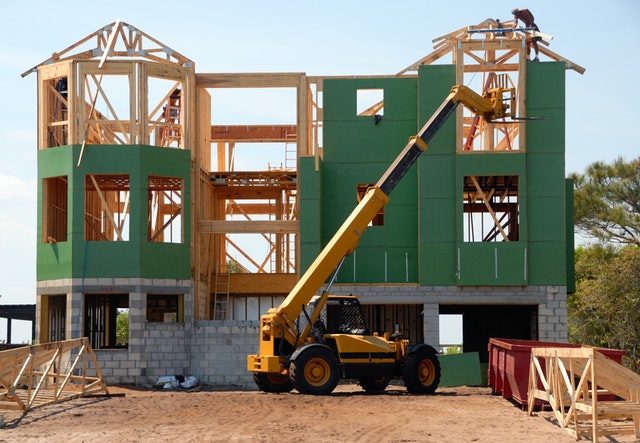
Pros And Cons: Older Homes Versus New ConstructionOpinions differ about whether home buyers are best served by purchasing an older home or new construction.

New homes enjoy that “new home” smell and the idea that you are the very first occupant can be very appealing. On the other hand, older homes resonate with nostalgia and many architectural design elements are no longer commonly used.

While some people feel strongly one way or the other, it’s a lot like comparing apples and oranges. The right home for any home buyer is the one that fits your lifestyle. Consider these pros and cons of new and older homes when making your decision.

Construction Differences

Home builders often tout the state-of-the-art aspects of new construction. Perhaps the biggest pro to new construction is the integration of smart and energy efficient technologies.

Today’s homes often come tech-ready with the ability for homeowners to control the environment through mobile apps. Solar panels are more common than ever, and new kitchen, HVAC and other necessities benefit from the latest advancements. Aside from being tremendously convenient, many of the new technology and materials can save you a significant amount of money.

On the flip side, older homes often require updating to include smart technologies. Gaining those conveniences could mean laying out a substantial amount of cash.

But don’t think for a moment that new construction somehow outpaces older homes in terms of energy efficiency. Materials used to build houses decades ago tend to be more durable. Items like thick, hardwood flooring were once commonplace. Today, they are considered high-end materials.

The Bottom Line: New construction offers modern conveniences while older homes showcase vintage materials.

New And Older Construction By The Numbers

One argument for buying new construction leans on the cost of upkeep.

An American Housing Survey reportedly pointed to new construction homeowners spending less on maintenance than their older construction counterparts.

The report promulgated by the Census Bureau indicates that 73 percent of people who owned a home four years old or less spent under $25 monthly on monthly maintenance. Only 11 percent spent upwards of $100 while 26 percent of older homeowners topped this cost. When routine maintenance exceeds $1,000 annually, that’s significant.

On the other side of the coin, older homes often come at a discounted price.

New home listing prices reportedly exceed those of similar older homes by upwards of $100,000 or 30 percent on average. This initial cost should be a strong consideration when doing the long-term math on homeownership. At $1,000-$1,200 additional cost annually, an older homeowner may have to live in the home for a very long time before it became less cost-effective.

The Bottom Line: Homeowners either pay on the front or the back end.

Homeowners Insurance Coverage

One of the common misconceptions about coverage stems from the idea that higher-priced new homes cost more to insure. This is often not true.

When taking out a policy, homeowners often insure the home based on the purchase price. This may satisfy the lender, but it may not be adequate to rebuild in the event of a total loss. New construction estimates tend to be fairly accurate because materials and labor costs haven’t changed significantly.

On the other hand, older homes are often made from materials that are considered specialty of high-end on today’s market. That means rebuilding an older home to its former luster could far exceed the current value. If that nostalgic feel is important, homeowners may need to insure the structure at a higher replacement cost.

The Bottom Line: Both types of homes could require similar coverage.

Regardless of what experts say about new and older construction, it’s important to consider a wide range of pros and cons and determine the home that’s right for you. Speak with an experienced real estate professional for detailed information on the properties that you are considering. And don’t forget to partner up with your trusted mortgage professional for all of your financing needs.

Filed Under: Real Estate Tagged With: Home Comparison, New Construction, Real Estate

NAHB Housing Market Index Unchanged in September

September 20, 2018 by Bob Elliot

NAHB Housing Market Index Unchanged in SeptemberHome builder confidence in housing market conditions stayed flat in September. The National Association of Home Builders Housing Market Index reported an index reading of 67, which matched expectations and NAHB’s housing market reading for August. Analysts cited recent tariffs on building materials as a significant cause of easing builder confidence.

While NAHB called September’s reading “solid” at 67, the reading was one full point lower than the average reading for 2017 and equaled the lowest builder confidence reading in 2018 to date. Readings over 50 in the Housing Market Index indicate that more builders than fewer are confident in housing market conditions.

Components of the Housing Market Index were mixed as builder confidence in current market conditions rose one point to 74. Builder confidence in market conditions for the next six months rose two points to a reading of 74. Builder confidence in buyer traffic in new housing developments was unchanged with a reading of 49.

Buyer traffic readings frequently fall below the benchmark reading of 50, so a reading of 49 indicates builders aren’t concerned about buyer interest in new homes.

Home Building Viewed As Cure For Housing Shortages, But Buyers Face Challenges

Housing industry leaders, real estate pros and mortgage lenders continued to look to builders for a solution to severe housing shortages in some areas. Rapidly rising home prices driven by high demand, few choices for buyers and aren’t likely to ease until inventories of available homes increase. Recently rising mortgage rates added to pressures on first-time and moderate-income home buyers.

NAHB Chief Economist Rob Dietz said that trade skirmishes and “burdensome regulations” also contributed to rising home prices. Real estate pros said that local market conditions affected market areas affected by natural disasters including severe red tide algae blooms in Florida and wildfires in Oregon and California. Home sales typically slow in August, but the combination of low inventories of homes coupled with rising prices and natural disasters resulted in lower than expected home sales in August.

Buyer fatigue was cited as a driving factor in slowing home sales as rapidly rising prices and few available homes took a toll on buyer interest. As the school year approached buyers were backing off instead of continuing to compete with cash buyers and bidding wars.

It is commonplace for markets to shift and for trends to change. Your trusted mortgage professional is ready to help you find your best financing options for today’s real estate market.

Filed Under: Real Estate Tagged With: Builder Confidence, Housing Market, Market Conditions

3 Key Advantages Of Listing Your House This Fall

September 18, 2018 by Bob Elliot

3 Key Advantages Of Listing Your House This FallHomeowners looking to maximize their return on investment often want to know what season best achieves that goal. Getting near or full asking price can be influenced by a wide range of factors, including market trends, inventory and interest rates to name a few.

It will come as good news to know there are strong indicators that this fall has unique listing advantages. That means listing a home this fall could help sellers get the price they want.

1: Inventory Remains Very Tight

The rules of supply and demand apply equally to the housing market and there are not enough homes to go around.

The single-family housing shortage has been driven by multiple factors. A large population of Millennials have entered the real estate market at a time when new home construction had been stifled for years. Simply put, the supply of new homes has significantly fallen behind the demand.

Although builders are starting to ramp up construction, the economic boom continues to position first-time buyers more quickly than the lagging supply. The real estate wild card may be how quickly construction outfits put more homes in play.

Should the building sector pivot to take advantage of higher prices, inventory could loosen in 2019. That makes this fall a prime time to maximize profitability and avoid the risk of improving supply.

2: Fall Looks Like A Seller’s Market

Although summer was once again a popular time to sell, it appears home sales did not satisfy the high demand. With fewer listings available and plenty of active buyers jumping on properties, listing this fall could put sellers in the driver’s seat.

One interesting caveat is a recent study that says buying a home is currently less expensive than renting in 35 percent of American counties. Talk about motivated buyers. By listing a property now, the odds are on the seller’s side that the home will close at a desirable price.

3: Homes Move Quickly

Market data shows that homes are selling at a fast clip across the country. According to a report by realtor.com, the median days on the market rate continues to decline.

From 2012 to 2017, the number of days a home spent on the market declined by nearly one-third in some comparable months. This year, homes are selling at a staggering rate in traditionally high-priced metropolitan markets. According to research, homes in San Jose, California, were only on the market an average of 28.6 days. In Seattle, Washington, homes sold at an average rate of 34.1 days and Nashville, Tennessee, saw a short 40.6 window. While these areas may be considered hot, they show that homes are moving quickly even in high-end areas.

Sellers may find the elixir they are looking for by listing this fall. Economic and market indicators point to a vibrant seller’s market flush with motivated buyers.

One of the key aspects of listing your home is figuring out where you are going to live when your home sells. Be sure to contact your mortgage professional to learn about all of the financing options available for your next home purchase.

Filed Under: Real Estate Tagged With: Home Sales, housing trends, Real Estate

  • « Previous Page
  • 1
  • …
  • 600
  • 601
  • 602
  • 603
  • 604
  • …
  • 1133
  • Next Page »

Connect with Me!

Let’s Keep In Touch!

  • This field is for validation purposes and should be left unchanged.

Quick Links

  • About Me
  • Accessibility Statement
  • Blog
  • Contact

Looking For Something?

Categories

Copyright © 2026 · Powered by MySMARTblog

Copyright © 2026 · Genesis Sample Theme on Genesis Framework · WordPress · Log in